

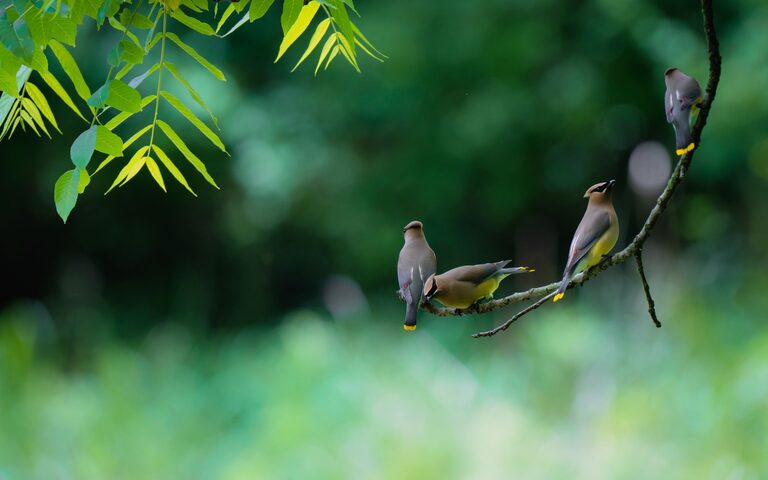
Birdwatching is a rewarding and relaxing hobby that connects you with nature without needing to travel far. Even in your own backyard, you can observe a variety of birds, learn about their behaviors, and enjoy peaceful moments throughout the day. If you’re new to birdwatching, this guide offers beginner-friendly tips to help you get started and make the most of your backyard birdwatching experience.
Why Backyard Birdwatching?
Birdwatching in your backyard is accessible to almost everyone. It requires minimal equipment, and you don’t need to hike long trails or visit remote areas. Besides being fun, watching birds can reduce stress, encourage mindfulness, and increase your knowledge about local wildlife.
Getting Started: Essential Supplies
While you don’t need much to begin birdwatching, having a few basic items can enhance your experience.
1. Binoculars
A good pair of binoculars lets you see birds clearly from a distance. You don’t need the most expensive pair—look for something lightweight with 8x or 10x magnification for a good balance of clarity and ease of use.
2. Field Guide or Birding App
A bird identification book or smartphone app helps you identify the species you see. Many apps offer photos, calls, and range maps, making it easier to learn bird names and behaviors.
3. Notebook or Journal
Keeping a notebook to record your bird sightings, dates, and interesting behaviors can make your birdwatching more engaging and helps track your progress.
Attracting Birds to Your Backyard
Creating an inviting environment is key to enjoying more bird activity. Here are some simple ways to bring birds closer.
1. Provide Food
Bird feeders are the easiest way to attract birds. Different birds prefer different foods:
– Sunflower seeds attract finches, chickadees, and cardinals.
– Nyjer (thistle) seeds are favorites of goldfinches.
– Suet cakes feed woodpeckers and nuthatches.
– Fruit, like oranges or berries, attract orioles and mockingbirds.
Try placing feeders in different spots and note which locations attract the most birds.
2. Offer Fresh Water
Birds need water for drinking and bathing. A birdbath or shallow dish filled with clean water will bring birds in—especially during hot or dry weather. Keep the water fresh and change it regularly.
3. Provide Shelter
Native trees, shrubs, and bushes offer protection from predators and harsh weather. If you have space, planting native species or allowing natural vegetation to grow helps create a safe habitat for birds.
4. Nesting Boxes
If you have a yard with lots of trees, installing a birdhouse can encourage cavity-nesting species like bluebirds or chickadees to raise their young nearby.
Tips for Observing Birds
1. Be Patient and Quiet
Birds can be shy, so patience is essential. Avoid sudden movements and loud noises. Sometimes sitting quietly for a few minutes helps birds become comfortable with your presence.
2. Watch at Different Times
Bird activity varies throughout the day. Early morning and late afternoon are often the best times to see birds feeding and moving around.
3. Learn Bird Behavior
Observing how birds move, feed, and interact can provide clues about their species and habits. For example, woodpeckers tapping on trees have distinct behavior that’s easy to recognize.
4. Use a Notebook or App to Record Your Sightings
Tracking your sightings helps you recognize patterns and improves your identification skills over time.
Common Backyard Birds to Know
When starting, focus on identifying common backyard birds in your area. Here are a few frequently seen species in many parts of North America:
– American Robin: Known for their orange bellies and melodic songs.
– Northern Cardinal: Bright red males are easy to spot.
– Blue Jay: Loud and energetic with striking blue feathers.
– Black-capped Chickadee: Small and friendly with a distinctive “chick-a-dee-dee-dee” call.
– House Finch: Small birds with red coloring on the head and chest.
Ethical Birdwatching Tips
– Avoid disturbing nesting birds.
– Keep cats indoors to protect birds.
– Use feeders and birdbaths responsibly—clean feeders regularly to prevent disease.
– Respect private property and natural habitats.
Join a Community
Sharing your birdwatching experiences with others can be motivating and educational. Consider joining local birdwatching clubs, online groups, or citizen science projects like eBird, where you can contribute your sightings to scientific research.
Final Thoughts
Backyard birdwatching is a wonderful way to bring nature into your daily life, boost your mood, and develop a new hobby. By attracting birds, observing patiently, and learning gradually, you will find this simple activity both enjoyable and enriching. So grab your binoculars, open your eyes, and discover the lively world of birds just outside your window!