

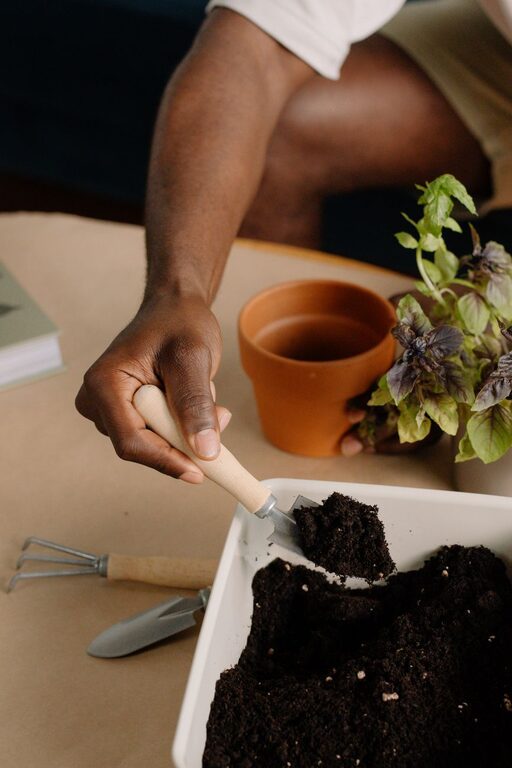
Starting a small herb garden indoors is a wonderful way to bring fresh flavors into your kitchen while enjoying the benefits of greenery year-round. Whether you have a spacious home or a cozy apartment, cultivating herbs inside is both practical and enjoyable. This guide will walk you through everything you need to know to get your indoor herb garden up and running.
Why Grow Herbs Indoors?
Growing herbs indoors offers several advantages:
– Freshness: Pick herbs right when you need them for cooking.
– Convenience: No need to make trips to the store for basic herbs.
– Year-round Growth: Indoor conditions can keep herbs thriving any season.
– Space-saving: Perfect for those without outdoor garden space.
– Air Quality: Some herbs can help improve indoor air quality.
Choosing the Right Herbs
Start by selecting herbs that are well-suited for indoor growth. Some popular and easy-to-grow herbs include:
– Basil: Great for cooking and salads; prefers bright light.
– Parsley: Hardy and versatile; tolerates moderate light.
– Mint: Very easy to grow; can spread quickly, so container control is helpful.
– Chives: Compact with a mild onion flavor; needs good light.
– Thyme: Low maintenance, prefers sunny areas.
– Cilantro: Likes cooler indoor temperatures and bright light.
You may also consider starting with seedlings or buying small plants from a nursery if you want to skip seed starting.
Selecting Containers and Soil
Containers
Choose containers with good drainage holes to prevent waterlogging. Options include:
– Small pots (4-6 inches diameter)
– Window boxes
– Herb garden kits
– Recycled containers (make sure to add drainage holes)
Soil
Use a high-quality potting mix designed for indoor plants or herbs. Avoid garden soil as it may not drain well indoors and could contain pests or diseases.
Finding the Right Location
Light is one of the most important factors for successful indoor herb gardening.
– Most herbs need 6-8 hours of direct or bright indirect sunlight daily.
– A south-facing windowsill is usually the best spot.
– If natural light is limited, consider using a grow light to supplement.
Planting Your Herbs
From Seeds
– Fill containers with potting mix.
– Plant seeds according to the depth instructions on the seed packet.
– Water gently but thoroughly.
– Cover with a plastic dome or wrap (optional) to retain moisture.
– Place in a warm spot with adequate light.
From Seedlings
– Remove seedlings carefully from their nursery pots.
– Plant in your containers at the same soil depth as they were previously growing.
– Water to settle the soil around the roots.
Watering and Maintenance
– Water herbs when the top inch of soil feels dry.
– Avoid overwatering, which can cause root rot.
– Use room-temperature water to prevent shocking the plants.
– Mist leafy herbs occasionally if the indoor air is dry.
Fertilizing
Indoor herbs benefit from occasional feeding:
– Use a balanced, water-soluble fertilizer.
– Feed once every 4-6 weeks during the growing season.
– Follow the label instructions carefully to avoid over-fertilizing.
Pruning and Harvesting
– Regularly trim herbs to encourage bushier growth.
– Harvest leaves by cutting just above a leaf node (where leaves grow from the stem).
– Avoid removing more than one-third of the plant at a time to keep it healthy.
Troubleshooting Common Issues
Yellow Leaves
– Could be from overwatering or poor drainage.
– Allow soil to dry slightly and ensure the pot drains well.
Leggy Plants
– Often caused by lack of sufficient light.
– Move plants closer to a light source or supplement with grow lights.
Pests
– Watch for aphids or spider mites.
– Wipe leaves with a damp cloth or use insecticidal soap if needed.
Tips for Success
– Rotate pots weekly so all sides get equal sunlight.
– Use a tray under pots to catch excess water.
– Label your herbs so you don’t forget which is which.
– Experiment with different herbs to find your favorites.
Conclusion
Starting a small indoor herb garden is a fun and rewarding project that adds fresh ingredients to your meals and a touch of nature to your home. With the right herbs, containers, and care routine, you can enjoy fresh herbs all year long. Happy gardening!